

UK airport ground support activity surges in H1 2026
Thu, 24th Sep 2026 (Today).webp)
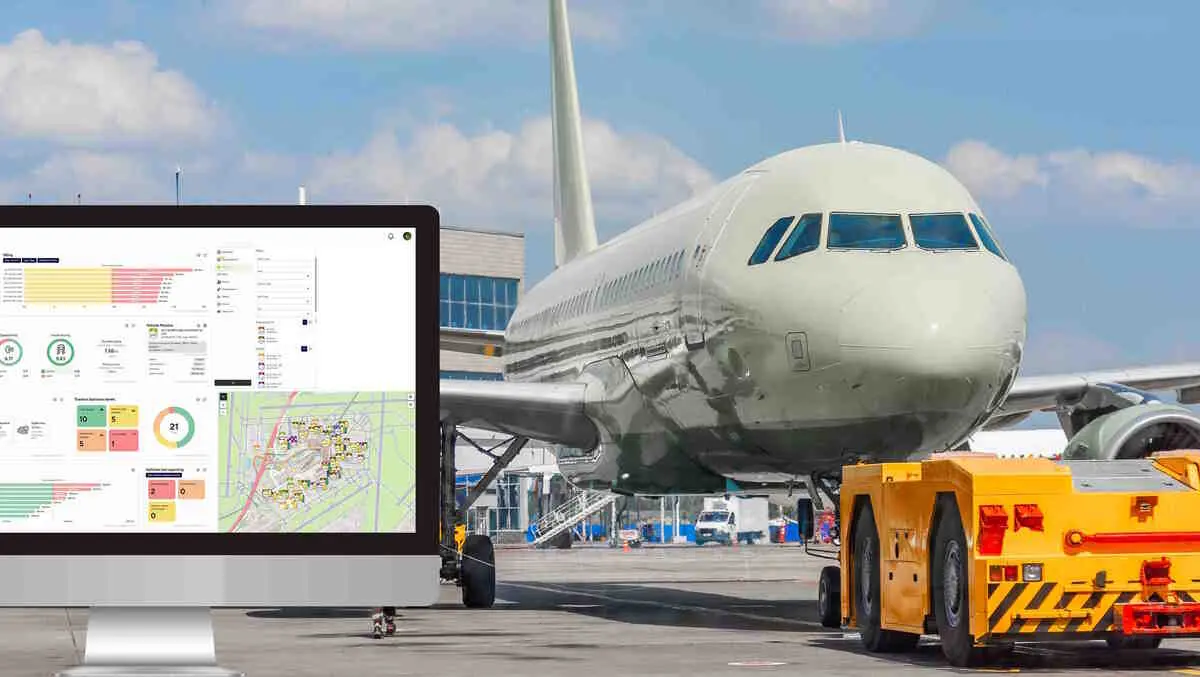
Ground support activity at UK airports rose sharply in the first half of 2026, according to Targa Telematics. Its data showed median daily active hours per monitored vehicle increased 75.5% year on year.
The figures add to evidence that UK airport operations remained steady despite disruption in parts of the global aviation market.
Targa Telematics' observatory tracks Ground Support Equipment used at airports, including towing vehicles, passenger buses, luggage carts, loading and unloading vehicles, and Ground Power Units. The number of GSE vehicles it monitors in the UK increased 91% between the first half of 2025 and the first half of 2026.
That expansion came alongside a broader increase in the company's airport footprint. Across all markets where it operates, the number of vehicles under monitoring rose 43% over the same period.
The UK findings suggest airport ground operations held up even as airlines and airports faced geopolitical tension, disruption in the Middle East, and higher fuel costs. The research points to a busier operating environment for the vehicles that support aircraft handling and passenger flows on the ground.
External industry data also points to resilience in the UK market. Civil Aviation Authority figures showed passenger numbers rose year on year in both the first and second quarters of 2026.
In the second quarter alone, more than 81 million passengers travelled through UK airports, up about 120,000 from the same period a year earlier. Heathrow, the country's largest airport, reported a record 40 million passengers in the first six months of the year. Weaker demand on Middle East routes was offset by growth in North America and Asia-Pacific traffic.
European picture
Outside the UK, Targa Telematics' data painted a more subdued picture for airport operations across Europe. The market appears to be moving towards a more normal pattern after the unusually strong rebound that followed the pandemic.
In Italy, median daily active hours per monitored vehicle fell 4.24% year on year in the first half of 2026. That performance was affected by a 6.7% drop in April, a month when Europe more broadly recorded a 4% reduction in vehicle operating hours compared with April 2025.
Even with that decline, Italy performed better than some of its larger European peers in the dataset. Germany recorded a 6.8% fall in median daily active hours per vehicle, which Targa Telematics linked in part to nationwide strikes, while France posted a steeper decline of 22.49%.
The comparison suggests airport activity in continental Europe has cooled from the exceptional pace seen during the recovery from pandemic restrictions. By contrast, the UK data points to stronger utilisation in the ground support segment, although the British sample also reflects a large increase in the number of vehicles being monitored.
Ground operations
Ground Support Equipment is a useful proxy for day-to-day airport activity because the vehicles are tied directly to aircraft turnaround, baggage handling, passenger movement, and ramp services. More operating hours can signal heavier use of airport infrastructure even when wider market conditions remain uncertain.
Targa Telematics manages more than 4.5 million connected assets worldwide and provides telematics and mobility services beyond aviation, including fleet operations for rental and leasing groups, financial institutions, insurers, and construction vehicle operators. Its airport data forms part of a wider business in connected vehicles and remote asset monitoring.
The latest UK figures suggest demand for airport support activity remained firm in the first half, with operators keeping fleets active despite pressure from international instability and fuel prices. They also underline the value of ground operations data in tracking how airports are functioning beyond headline passenger numbers.
For airports, airlines, and handling operators, such measures offer a more operational view of traffic levels than passenger totals alone. In the UK, both sets of data moved in the same direction in the first half of 2026, with busier monitored vehicles matching a modest rise in passenger throughput.