

Vodafone Ireland makes first smartphone satellite video call
Thu, 26th Mar 2026.webp)
Vodafone Ireland and Satellite Connect Europe have completed Ireland's first mobile video call via satellite using a standard smartphone. The call was carried over an AST SpaceMobile BlueBird satellite.
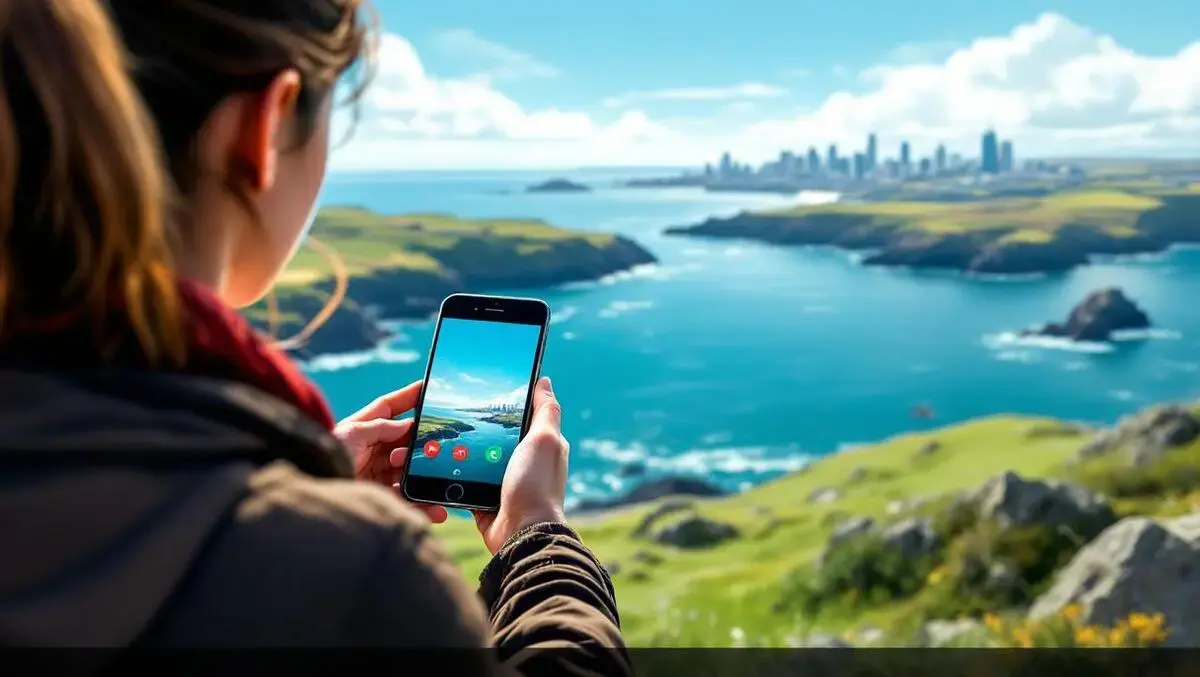
Vodafone Ireland engineer Robert Ivers made the connection from an area without mobile coverage on Clare Island, Co. Mayo, calling Vodafone Ireland chief executive Sabrina Casalta in Dublin.
The test used a standard handset rather than specialist satellite equipment. It is part of efforts to link satellite-based direct-to-device services with existing mobile networks, allowing users to connect in places beyond the reach of conventional mobile infrastructure.
Satellite Connect Europe described the result as further progress as AST SpaceMobile expands its low-Earth orbit satellite network in Europe. The goal is to let mobile operators add satellite links to existing services in areas where mast-based coverage is limited or unavailable.
Coverage gaps
Direct satellite links could help maintain service in remote locations and during disruptions to land-based power or network access, including storms, outages and other incidents that interrupt terrestrial networks.
Vodafone Ireland's involvement also places the test within a broader European effort by operators to assess how satellite services could supplement mobile networks. Satellite Connect Europe recently confirmed partnerships with CK Hutchison, Orange, Telefónica, Sunrise and Vodafone.
The Luxembourg-based venture was launched as a joint operation between Vodafone and AST SpaceMobile. It has exclusive European access to AST SpaceMobile's low-Earth orbit constellation technology, designed to connect directly with standard 4G and 5G smartphones.
That approach differs from traditional satellite phone services, which usually require dedicated devices. The companies aim to show that ordinary consumer handsets can connect through space-based networks without changes to the devices people already use.
Meredith Sharples, Managing Director of Satellite Connect Europe, said: "This video call, completed from a part of Ireland with no mobile connectivity using a standard smartphone, represents another step forward as we continue to scale space-based mobile connectivity while expanding the constellation and advancing deployment with mobile network operators across Europe."
"With each milestone, we are moving closer to delivering a seamless extension of existing networks, providing reliable, resilient coverage in areas traditional infrastructure alone cannot reach and supporting the next phase of mobile connectivity across the region."
European rollout
The latest test comes as operators and satellite groups work to develop direct-to-device services that can operate alongside terrestrial mobile systems. In Europe, the focus has been on using those links to fill dead zones and improve network resilience rather than replace ground-based networks.
The Clare Island-to-Dublin video call marks another step towards integrating satellite broadband with operator networks as AST SpaceMobile's wider constellation develops. Commercial use across Europe will depend on further deployment and integration work by mobile operators and their satellite partners.
For Vodafone Ireland, the test offers a public example of how the technology could be used in parts of the country where geography makes coverage difficult. Ireland's coastline, islands and rural regions have long challenged operators trying to provide consistent mobile service through terrestrial infrastructure alone.
Casalta said the test showed how satellite and mobile systems could be combined for consumers and public services. "This milestone is a powerful demonstration of how technology can make a real difference for people. By integrating satellite and mobile networks, we are extending connectivity beyond traditional limits - helping to keep customers, communities, businesses and emergency services connected, particularly in remote areas and during times of disruption, using their everyday smartphone."