Digital Sovereignty stories
The recognition comes as nearly 92% of Asia Pacific enterprises say data governance and compliance have delayed or cancelled AI projects.
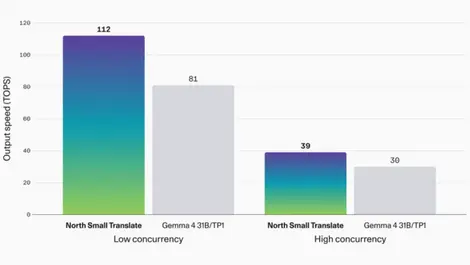
Enterprises handling large multilingual workloads may gain cheaper, faster translation as Cohere's new model targets data control and sovereign deployment.
Alliander's validation could speed software-defined substations, as SUSE becomes the first enterprise Linux vendor to meet SEAPATH's timing demands.
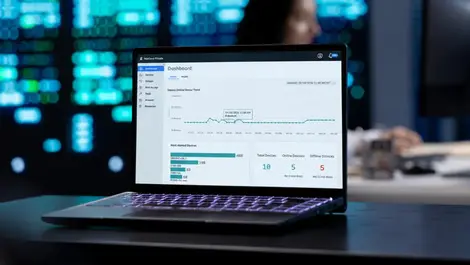
Regulated organisations can keep wireless WAN telemetry and management data inside their own environments, easing compliance concerns.
AI security fears are prompting UK companies to tighten data controls, with half seeking more oversight of sensitive and strategic information.
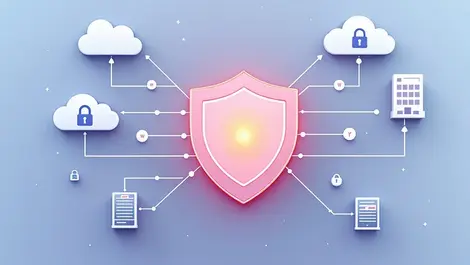
The ranking underlines demand for security that can enforce policy across cloud, branch and data centre networks as firms decentralise infrastructure.
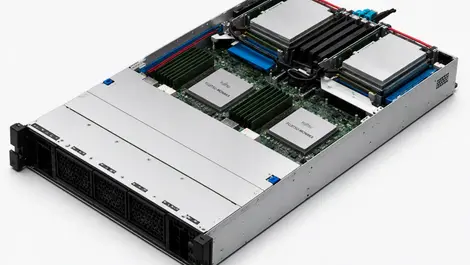
Data centre operators could cut energy use and rack space as Fujitsu's new 2nm chip targets AI inference with air cooling.
Despite faster AI adoption, firms in Oceania are still missing out on bigger returns because trust, governance and skills are lagging.
The buildout could give Australian startups, universities and enterprises more local AI compute as demand for training and inference rises.
Rising AI demand is exposing cloud bottlenecks, as firms eye in-house open source systems to cut costs and limit vendor lock-in.
Trusted partners and tighter guardrails are becoming essential as AI agents expand the attack surface and put data sovereignty on the line.
Regulated organisations can now keep operational data inside approved jurisdictions while monitoring mixed cloud estates from one platform.
Alert-led security teams risk falling behind as AI now needs to be built into the SOC's core to stop attacks earlier and preserve sovereignty.
Toronto's AI talent pool is drawing more U.S. firms, but festival organisers say Canada must now keep its startups from leaving.
Data sovereignty is now steering UK AI buying, while half of technology leaders say the Chief Information Officer will be blamed if systems fail.
Grid operators could save more and cut risk as a new framework shows open source software can deliver 2-5x greater net value.
Funding will help expand quantum-safe cybersecurity deployments as India races to build domestic defences against future quantum threats.
Most Indian firms now run workloads across public, private and on-premises systems, as cost, resilience and sovereignty concerns reshape cloud plans.
Only 36% of UK organisations hit by disruption have contingency plans, as Capgemini warns supply-chain exposure is leaving firms vulnerable.
Local councils will get a national baseline as Ottawa seeks to curb power bills, water use and hidden impacts from new data centres.